The High-Altitude Secret of Dayan Mountain: Why 1,500m Defines TeaChuck’s Purity
At 1,500 meters elevation, tea slows down. The cooler air, steady mist, and thin sunlight of Dayan Mountain make the leaves grow slower. This results in tighter aromas and a cleaner finish.
Many drinkers find it calming, a gentle energy that settles in smoothly.

On the peaks of Dayan Mountain, at 1,500 meters, the altitude creates a deep tea landscape. It's built over time, protected by the unique Guizhou terroir.
In China, this area in Zheng’an County brings the idea of "high-mountain vitality" to life. The crisp mountain air and frequent cloud cover make the tea smell amazing. It tastes smoother, with less bite, because it grows on nature's schedule, far away from the rush of industrial farms.
TeaChuck was created to bring this high-altitude tea to the U.S. market. Founder Minghui Lü spent a decade searching for purity. TeaChuck sees high-altitude organic tea as a "Gift of Nature" from the misty peaks of Chaoyang Village.
The TeaChuck Guizhou collection, including Jiu Dao Cui and Cloud-Kissed, carries this calm feeling. It's designed to bring the mountain's quiet to your mug.
Next, we'll explore how microclimate, leaf chemistry, flavor, and daily ritual are all connected. When altitude sets the conditions, tea doesn't just taste different—it changes your day.
High-altitude organic tea, Antioxidant-rich tea, Slow-grown tea leaves
At 1,500 meters, tea grows slowly. High-altitude organic tea is made in thin air, steady light, and cool nights. This makes the tea leaves rich in flavor, with a fresh taste that shows quality matters more than quantity.

Why 1,500 meters elevation creates slow-grown tea leaves with concentrated character
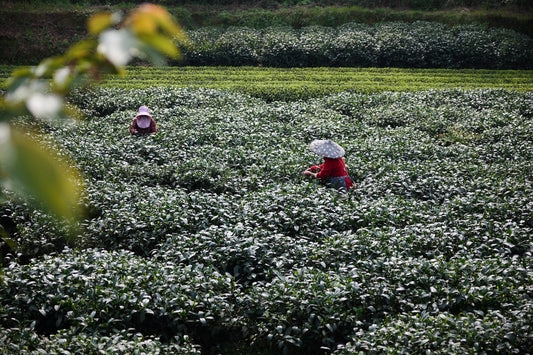
On Dayan Mountain, tea grows slowly due to the unique high-altitude weather. Our 362-acre (2,198 mu) enjoys sunlight filtered through constant mountain mist. At night, it gets very cold, slowing down the plant's metabolism.
Moisture from the surrounding forest and the cliff-side geography adds to the mist. This mist cools the plants and softens the heat. Over time, the tea leaves become more intense and nutrient-dense, benefiting from the rich soil of this USDA Organic certified sanctuary.
Extreme temperature shifts, crisp mountain breath, and the calm energy tea drinkers notice
The big temperature changes affect the tea leaves' development. The mountain air, 20km away from any urban centers in Zheng'an, makes the garden feel fresh after rain or fog. Tea drinkers feel a clean, calm energy, not a sudden rush.
Growers at high altitudes focus on quality, not quantity. This is because the mountain climate demands it. In our 2,198-acre garden, quality is the only way to meet the environment's high standards.
What 1,500 meters elevation does to leaf chemistry: l-theanine concentration, caffeine balance, and antioxidant
Tea plants at 1,500 meters grow in cooler, wetter conditions. Mountain gardens at this altitude have steady temperatures and humidity. This slower growth changes the tea's aroma and texture, but keeps the ritual simple.

In the U.S., this matters because it affects how the tea feels. People often seek tea for focus and calm, not a sudden jolt. The growth at high altitudes supports a cleaner feel, with more l-theanine and balanced caffeine.
How cool, humid air supports tea for focus and calm through l-theanine concentration
Cool days and nights help leaves build flavor compounds. This is why our Guizhou mountain teas are often clear and composed. In the cup, l-theanine softens the stimulation, while caffeine keeps the energy steady.
This pairing is noticeable in several ways:
- Smoother alertness that feels steady during work or study
- Cleaner aroma, with less harshness on the finish
- Less swingy energy, even when brewed strong
Antioxidant-rich tea fundamentals: tea polyphenols, chlorophyll, and nutrient density in new shoots
Early spring buds are key for antioxidant-rich tea. In March and April, rain and humidity help buds grow at a measured pace on Dayan Mountain. These shoots are rich in chlorophyll, caffeine, and tea polyphenols, making the tea taste mellow and fresh.
This is where nutrient density really matters. Young leaves concentrate the plant's active ingredients. This makes the brew taste layered, even with short steeps. Chlorophyll adds a green freshness, while tea polyphenols enhance structure and aroma.
Guizhou terroir at 5,000 feet: mineral-rich red soil, root nutrition, and mountain-grown tea benefits
Guizhou terroir is found at about 5,000 feet (1,500m). It's shaped by steep slopes, changing light, and cool mist. These conditions are rare, making the Dayan Mountain Scenic Area a "Feng Shui" treasure for organic tea.
In these places, clouds and temperature changes affect leaf texture and aroma. This is where mountain-grown tea benefits start. The plant grows slower, builds more structure, and keeps its flavors clear.
Mineral-rich red soil and root nutrition as drivers of earthy undertones and authentic taste
The mineral-rich red soil of Dayan Mountain is full of natural nutrients. It supports the deep roots of our tea plants. Rainfall and mist move these minerals through the ground, giving the tea its unique, grounded taste.
For TeaChuck, this soil-and-root story is important. It protects an authentic taste that feels grounded, not flavored. You taste depth from the Guizhou hillside, not from processing tricks.
Mist-veiled ridgelines and a purely elevated lifestyle: why quality over quantity wins
Mist is a daily event on our ridgelines. It rewards patience. In our USDA Organic gardens, careful land use is key to quality. When growers work within these limits, harvest choices get sharper, and the leaf keeps more of what the mountain gives it.
Weather that writes flavor: humidity, clouds, and temperature drops that build sweetness
At 1,500 meters, weather shapes the cup. Moisture from the surrounding forests rises into clouds and mist. This keeps humidity high through the growing season. The peaks can stay sunlit for hours, then swing into sharp temperature drops after dark.
These mountain microclimates slow the plant down. This pause gives shoots more time to build aroma, texture, and natural sweetness. For U.S. drinkers, it often reads as a gentler edge and a cleaner finish.
Mountain microclimates: cool-and-humid synergy
When clouds drift in, leaves avoid heat stress and keep more of their delicate notes. In our Dayan Mountain microclimate, humidity supports slow, even development. This is different from the quick, sharp growth seen in industrial lowland plantations.
Sweet finish, honeyed aromatics, and low bitterness shaped by slow growth
Slow growth tends to taste calm. Our Guizhou teas are often described as mellow and smooth. They are fresh and moist, with long-lasting sweetness and a strong fragrance. Those same conditions help set expectations for honeyed aromatics in our Jiu Dao Hong black tea.
TeaChuck’s origin story in Guizhou: Minghui Lü’s pursuit and the Teachuck Guizhou collection
TeaChuck started with a simple goal: to honor nature without overdoing it. The brand focuses on Guizhou's misty hills around 1,500 meters. Here, slow growth and sharp temperature changes create a cleaner, calmer tea.
TeaChuck is all about transparent sourcing. We believe that if a tea claims to be from high elevations, it should taste like it. This means gentle sweetness, low bite, and a steady finish.
Exclusive high-altitude sourcing: protecting serenity and mountain vitality
TeaChuck only sources from our high-elevation estate. Here, the mist, cold nights, and bright days build structure in the leaf. This supports nutrient density and mountain vitality. Our approach is disciplined: manual picking, careful sorting, and small-lot handling.
Positioning for the U.S.: quality over quantity
In the U.S., consumers value single-estate, artisanal teas with wellness benefits. TeaChuck meets this demand with high-altitude organic tea and transparent sourcing. For us, quality is more important than quantity. We choose a narrower origin and slower handling to preserve the natural qualities of the mountains.
FAQ
Why is ~1,500 meters (about 5,000 feet) considered a meaningful altitude for TeaChuck?
Around ~1,500 meters elevation is where tea grows slower under cooler, mistier conditions. Our Dayan Mountain estate at 1,500m (in 15ºC–25ºC conditions) shows how this altitude shapes aroma clarity, texture, and the calm “energy” many drinkers notice.
Does high altitude automatically mean a tea is organic?
No. While altitude supports a pristine environment, organic integrity depends on verified rules. Our garden is USDA Organic certified, proving our clean mountain positioning is backed by international standards.
What makes the terroir of Dayan Mountain unique?
Our 2,198-acre tea garden is located in a scenic area 20km from Zheng’an County. It is surrounded by cliffs and forests, featuring mineral-rich red soil and a persistent "sea of clouds" that nourishes the roots and leaves naturally.
Previous
What’s the difference between Jiu Dao Cui and regular green tea?
Next
Tired of bitter tea? Why organic loose leaf green tea from high altitudes tastes sweeter?