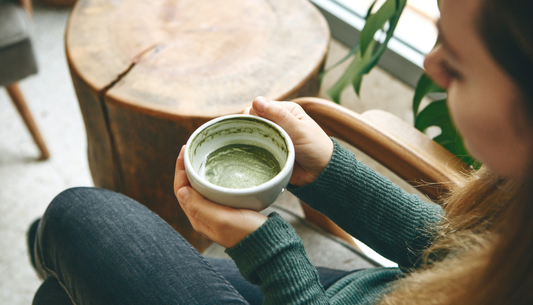
What's actually in your tea bag? Is it time to switch to premium whole leaf tea?
Many tea lovers in the United States grab a teabag for comfort. But, what's inside might surprise you. Many brands use teabag dust, which brews fast but tastes flat and can turn bitter quickly.

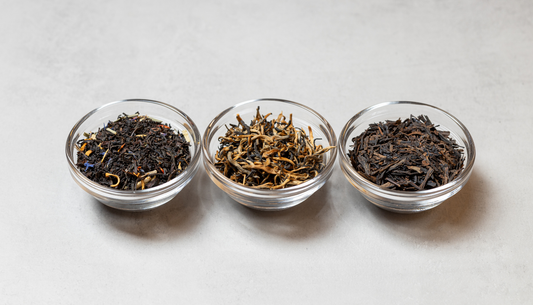
Choosing between tea bag fannings and whole leaf is more than a trivia question. Premium whole leaf tea uses whole or slightly broken leaves. These leaves unfurl as they steep, giving a richer taste and aroma.
This guide will show you how to enjoy non-bitter green tea. You'll learn to control the brewing time, temperature, and strength. Plus, you'll discover why premium whole leaf tea is packed with more antioxidants and offers a calmer daily ritual.
Whole leaf loose tea is becoming popular in the U.S. for its better flavor and cleaner ingredients. It also raises important questions about waste. Some tea bags use plastic that may release microplastics in hot water, while loose leaf reduces packaging waste.
What’s Actually in Your Tea Bag? The Stark Contrast Between Teabag Dust and Premium Whole Leaf Tea
Most tea bags contain broken bits, known as teabag dust, shake, or tiny leaf fragments. These small pieces brew quickly but can taste flat and bitter if steeped too long.

Whole leaf loose tea leaves have room to unfurl in water. This allows for a richer aroma and cleaner taste. That's why premium whole leaf tea often tastes more balanced than fast-brewing bags.
How the tea is processed also matters. Slow-grown tea leaves retain more of their natural compounds. Many believe this offers an antioxidant shield. Whole-leaf green tea can have up to three times more antioxidants than bagged tea.
It's also important to consider the packaging. Some tea bags use polypropylene, which can release microplastics in tea bags when hot water is applied. Loose tea, on the other hand, is often sold in recyclable tins or paper pouches. This reduces packaging waste like strings, tags, and wrappers.
- Flavor: bigger leaves tend to taste more complex; dustier blends can skew bitter.
- Wellness: minimally processed leaf keeps more antioxidants, polyphenols, catechins, and amino acids.
- Value: buying whole leaf in bulk can lower the cost per cup when paired with a reusable infuser or teapot.
High Altitudes & Premium Whole Leaf Tea: The Secret to Non-Bitter Green Tea
Some tea tastes sharp and one-dimensional. Others are smooth and easy to drink. This difference often comes from the tea's quality and where it's grown.
5000ft elevation tea is part of a slow, enjoyable tea experience. It makes green tea feel more relaxing and enjoyable.

Why whole leaf loose tea tastes better than bagged tea
Whole or broken leaves keep more natural oils and flavors. As they steep, they release these flavors slowly, creating a complex taste.
Bagged tea, with its fine particles, brews quickly. This can make the taste flat and bring out bitter notes, which most people don't like.
More wellness compounds in the cup: antioxidants, polyphenols, and L-theanine for focus
Many choose loose leaf for its wellness benefits. It offers a mix of antioxidants, polyphenols, catechins, and amino acids.
L-theanine is a key amino acid for focus. It works well with caffeine to provide steady energy without jitters, helping with mental clarity.
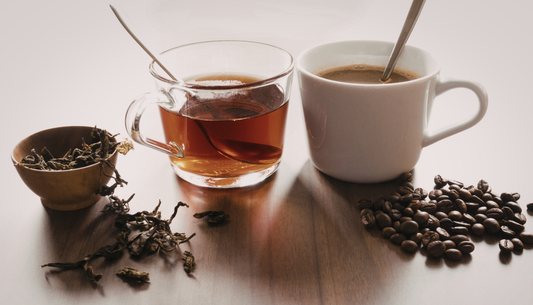
- Coffee: about 95 mg caffeine per cup
- Black tea: about 40–70 mg per cup
- Green tea: about 30–50 mg per cup
- Herbal teas: naturally caffeine-free
Control the brew for non-bitter green tea
Loose leaf lets you control the brewing process. You can adjust the leaf amount, water temperature, and steeping time.
Using a timer is key to avoid oversteeping. This helps keep the tea soft and clean, ensuring a non-bitter taste.
How to brew whole leaf loose tea at home for better flavor and zero bitterness
Brewing whole leaf loose tea is easy with three key steps: clean water, the right heat, and a timed steep. Follow these, and your tea will be rich and smooth, not bitter or flat.
Start with better water for better tea
Tea is mostly water, so bad water can ruin even the best tea.
Match the heat to the tea type. For non-bitter green tea, aim for 175°F. Brew black tea at 200°F, and herbal teas at 212°F.
Without a temperature control? Boil water, then let it sit for 30 seconds before pouring over green tea to avoid bitterness.
Use a timer to avoid guessing. Steep green tea for 2–3 minutes, black tea for 5–7 minutes, and herbal tea for 7+ minutes.
Easy tools that make premium tea effortless
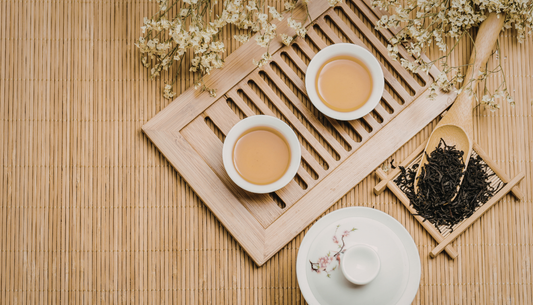
The right tools make brewing whole leaf loose tea as simple as using a bag. An electric tea kettle with temperature settings helps you reach the perfect temperature easily.
- Tea infuser basket: sits in your mug and gives leaves room to open, improving flavor.
- Tea pot with built-in strainer: great for sharing, keeping leaves contained without cramping them.
- Tea balls: portable, but they can limit leaf expansion, making the cup taste tighter.
- Disposable loose leaf tea bags: handy for travel days when you want premium tea.
For customization, start simple. Many like honey and cream in black tea. For a richer ritual, try blending coconut oil, grass-fed butter, or heavy cream with a milk frother.
Iced and cold brew options for busy days
Iced and cold brew tea is perfect for busy mornings. Cold water extracts flavors slowly, making the tea smooth and clean.
For cold brew, add 2 tablespoons of whole leaf loose tea to a mason jar or pitcher, fill with cold water, and refrigerate for 8–12 hours. Strain, then pour over ice.
For a quicker iced version, brew hot with about double the leaves, then pour it over ice. Lemon or a little honey can brighten the cup without hiding the tea's flavor.
The Hidden Power of 1,500 Meters: Why High-Altitude Organic Tea Beats Mass-Produced Alternatives
Have you moved past tea bags? Whole leaves offer a clearer aroma, fuller taste, and a moment of calm. Add elevation, and you get something special. High-altitude organic tea is made in thin air, cool nights, and a slower pace.
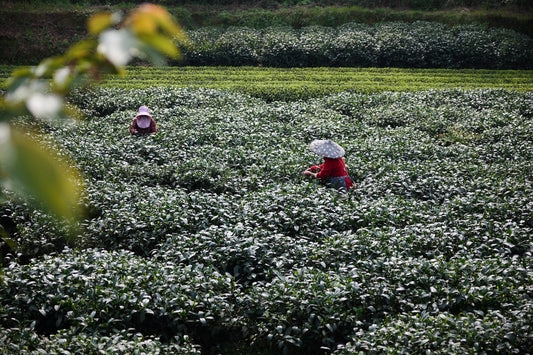
In places like Guizhou, gardens are near 5000ft altitude, or about 1,500 meters. The growing season is longer here. This means tea leaves grow slower, with tighter structure and more complex flavors. They taste cleaner and less sharp than mass-produced teas.
Soil and weather are as important as height. Mineral-rich red soil feeds the plants with trace elements, adding a subtle savory edge. Add pure mountain mist, and the leaves keep delicate aromatics that get lost in hotter, lower farms.
“Organic” means something. It means farming without synthetic pesticides or fertilizers. This fits how many people want to drink tea every day. Choosing USDA organic green tea can be simpler when you want to avoid unwanted inputs.
Altitude also makes non-bitter green tea practical. Whole leaves from high elevations are easier to brew with control. Use cooler water and shorter steeps for sweetness and lift without bitterness.
- Less waste than many mass-produced tea alternatives: loose leaf can mean fewer wrappers and fewer plastic-based bags.
- More flexibility: you can measure by spoon, re-steep, and dial in strength without overdoing it.
- Better value per cup: bulk tea plus a reusable infuser can stretch farther than single-serve packets.
Meet TeaChuck: USDA organic green tea and whole leaf black tea from Guizhou’s mist-veiled 5,000-foot peaks
TeaChuck high-mountain tea comes from Minghui Lü's long search for purity. Leaves are picked from misty ridges and rich red soil. It's a calm, daily ritual, not a quick drink of dust.
TeaChuck offers both USDA organic green tea and whole leaf black tea. The leaves are intact, perfect for careful steeps. For a smooth cup, use cooler water and steep less. This keeps the tea free of bitterness and promotes a calm mood.
The brand's Guizhou batik packaging is a nod to local craft. It includes UNESCO Guizhou batik inspirations, making the tins look like gifts. This small detail shows the care in every cup.
Jiu Dao Cui Organic Green Tea: The Triple-Crown Winner for Deep Meditation
Jiu Dao Cui Organic Green Tea is the top choice for deep meditation. It's a triple gold winner, perfect for focus and calm.
It's ideal for days when you need a reset but want to stay clear-headed. Brew it gently, sip slowly, and let the ritual calm you.
Cuiya Organic Green Tea: Imperial Bud-Only Perfection for Creative Flow
Cuiya Organic Green Tea is all about bud-only picking for pure serenity. It's great for brainstorming without feeling overwhelmed.
It rewards careful timing. Steep it briefly, then re-steep as needed to keep it smooth.
Cloud-Kissed Reserve Organic Green: Workspace Focus Wrapped in Batik Elegance
Cloud-Kissed Reserve Organic Green is for focus at work. The Guizhou batik packaging adds elegance. It's perfect for leaving on a shelf or near your kettle.
- Morning planning: a steady cup for outlining the day
- Midday regroup: a brief pause before the next meeting
- Desk-side ritual: a simple way to stay consistent
Guizhou Mist Organic Green: A Wild, Mineral-Forward Sensory Restart
Guizhou Mist Organic Green uses Guizhou's foggy peaks and red soil for a clean restart. It's a USDA organic green tea that stays true to its origin.
It's great for quick, mindful breaks. Pair it with whole leaf black tea to match your energy throughout the day.
How to Brew Whole Leaf Loose Tea at Home for Better Flavor and Zero Bitterness
For a clean and smooth taste, use filtered or spring water. Give the leaves room to open. Use an infuser basket to let water move through the leaves.
This tool prevents harsh extracts from cramped leaves. It's key for a better flavor.
Next, find the right tea temperature and steeping time. For non-bitter green tea, use about 175°F and steep for 2–3 minutes. Black tea needs 200°F for 5–7 minutes, and herbal blends can handle 212°F for 7 minutes or more.
Keep the timer close and stop steeping the moment it's ready. Most bitterness comes from steeping too long or using too hot water. Once you find your sweet spot, repeat it every day for consistent flavor.
To keep aroma and flavor bright, store tea airtightly. Keep it away from heat, light, moisture, and strong kitchen odors. Metal tea tins, ceramic canisters, and glass jars with airtight lids are good choices.
Store them in a dark cabinet. Label each container with the tea name and purchase date. With proper care, whole leaf loose tea stays fresh up to a year, sometimes longer for black tea. This freshness pairs well with a lower-waste routine and the calm daily rhythm that TeaChuck's USDA organic teas are made to deliver.
Craving More Elevated Calm? Keep Exploring
If you are ready to take your lifestyle experiment to the next level, don’t stop here. Founder Minghui Lü has curated two more deep dives to help you master the art of the mountain spirit and elevate your daily wellness routine:
[What Happens to Tea Leaves at 5,000 Feet, and Why High Altitude Tea Tastes Better Naturally?]
Ever wondered what actually happens inside a tea leaf wrapped in perpetual mountain mist? It turns out that 1,500 meters is where the magic science happens. Dive into this guide to discover how intense day-night temperature shifts, thin mountain air, and mineral-rich red soil force our tea leaves to grow slower—packing them with unprecedented levels of sweetness and amino acids while leaving the bitterness far behind below the clouds.
[Does Green Tea Have Caffeine? Why It’s Actually Better Than Your Morning Coffee?]
Tired of the high-stakes jitter and that inevitable 2 PM coffee crash at your desk? Let’s talk about the unique synergy of caffeine and L-theanine. This quick read breaks down why the gentle energy lift from a premium whole leaf green tea is the ultimate hack for sustainable creative flow and "Inbox Zero" focus—giving your brain a clean, jitter-free awakening without messing up your sleep cycle.
FAQ
What’s actually in most conventional tea bags in the U.S.?
Many tea bags contain low-grade tea bag fannings, also called “dust” or “shake.” These tiny pieces steep fast but can make the tea taste flat and bitter quickly.
What does “premium whole leaf tea” mean?
Premium whole leaf tea uses whole or gently broken leaves, not teabag dust. The leaves unfurl during brewing, releasing layered aroma and flavor. This makes the tea taste better and creates a more satisfying ritual.
Is whole leaf loose tea really better than bagged tea?
For many, yes. Whole leaf loose tea offers fuller extraction and a more complex taste. Bagged tea, made from small particles, often tastes one-dimensional and can be bitter.
Why is tea bag dust more likely to taste bitter?
Smaller particles have more exposed surface area, infusing quickly. This speed can pull out harsher compounds, making the tea taste bitter, if the water is too hot or the tea steeps too long.
Does whole-leaf green tea have more antioxidants than bagged tea?
Loose leaf tea often retains more antioxidants, polyphenols, catechins, and amino acids. It's minimally processed. Whole-leaf green tea can have up to three times more antioxidants than bagged varieties.
What wellness compounds are people looking for in whole leaf loose tea?
Many choose premium whole leaf tea for its antioxidants, polyphenols, catechins, and amino acids. These compounds are linked to supporting immunity, heart health, and digestion.
What is L-theanine, and why do people drink green tea for focus?
L-theanine is an amino acid in tea that helps with calm, steady mental clarity. That's why many drink green tea for focus without feeling wired.
How does tea compare to coffee for caffeine and “non-jittery” energy?
Coffee has about 95 mg of caffeine per cup. Black tea has 40–70 mg, and green tea has 30–50 mg. Herbal teas are caffeine-free. Green tea is often preferred for its steady focus.
How do I brew non-bitter green tea at home?
Use cooler water and a timer. Green tea does best at 175°F and steeps for 2–3 minutes. Avoid boiling water to prevent bitterness.
What are the best temperatures and steep times for whole leaf tea?
For temperature, aim for green tea at about 175°F, black tea around 200°F, and herbal teas at 212°F. For steeping time, use 2–3 minutes for green, 5–7 minutes for black, and 7+ minutes for herbal. If you don't have a temperature-control kettle, boil water and let it sit for about 30 seconds before pouring over green tea.
What tools make premium whole leaf tea easier for everyday life?
An electric kettle (ideally with temperature control) and a tea infuser basket are simple upgrades. Teapot sets with built-in infusers also work well. Tea balls restrict leaf expansion. Disposable loose leaf tea bags are handy for travel.
How do I make iced tea or cold brew with whole leaf loose tea?
For cold brew, add 2 tablespoons of whole leaf loose tea to a mason jar or pitcher, fill with cold water, refrigerate for 8–12 hours, then strain and pour over ice. For a quick iced version, brew hot using double the leaves and pour over a glass full of ice. Lemon or honey is optional. Helpful tools include a glass pitcher, steeping bags for cold brew, or a large pitcher infuser.
Can I customize black tea with milk, honey, or even “bulletproof-style” add-ins?
Yes. Many people enjoy honey and cream with whole leaf black tea. You can also try “bulletproof-style tea” by blending coconut oil, grass-fed butter, or heavy cream using a milk frother.
Are tea bags a sustainability concern?
They can be. Many tea bags use plastic-based sealing materials like polypropylene. In hot water, that plastic can shed microplastics. Whole leaf loose tea often reduces waste because it's commonly sold in recyclable tins or paper pouches—without strings, tags, or wrappers.
Is whole leaf loose tea more affordable than tea bags?
It can be. Buying premium whole leaf tea in bulk often lowers the cost per cup over time. Pair it with reusable infusers or a teapot, and it becomes a practical daily upgrade—not just a luxury.
Why do people care about high-altitude organic tea?
For many tea lovers, high altitude signals a slower, more mindful quality story—slow-grown tea leaves, careful sourcing, and a softer experience in the cup. Combined with whole leaf brewing control, high-altitude sourcing becomes another layer of what people seek when they want non-bitter green tea.
What does “organic” mean for tea in the U.S.?
Organic tea is grown without synthetic pesticides or fertilizers. For shoppers looking for cleaner inputs and more intentional daily habits, USDA organic green tea can be an important trust marker.
What is TeaChuck, and what makes it different?
TeaChuck is built around founder Minghui Lü's decade-long quest for purity. The brand focuses on ethically sourced premium whole leaf tea that bridges Eastern heritage with modern life, and offers USDA-certified organic selections as an alternative to mass-produced teabag dust.
Where does TeaChuck source its high-mountain tea?
TeaChuck sources from Guizhou’s mist-veiled peaks at about 5,000ft elevation (around 1,500 meters). The story centers on slow-grown leaves nurtured by mineral-rich red soil and pure mountain mist—positioned as a clear contrast to teabag dust and fannings.
Which TeaChuck tea is positioned as the best whole leaf green tea for deep meditation?
Jiu Dao Cui Organic Green Tea is positioned as the “absolute best whole leaf green tea” in the lineup for a deep meditation use-case. It’s also described as a Triple-Crown Winner and a triple gold winner, reinforcing its award-winning status among high-altitude organic tea options.
What is Cuiya Organic Green Tea best for?
Cuiya Organic Green Tea is presented as “Imperial Bud-Only Perfection.” It’s recommended for pure liquid serenity—an ideal pairing for brainstorming sessions and creative flow when you want calm focus without harsh bitterness.
What makes Cloud-Kissed Reserve Organic Green a strong desk-side tea?
Cloud-Kissed Reserve Organic Green is tied directly to workspace focus and mental clarity, making it a natural fit for a daily “brew break.” It also features elegant Guizhou batik packaging inspired by UNESCO Guizhou Batik, turning a functional habit into a premium ritual and gift-worthy moment.
How is Guizhou Mist Organic Green described?
Guizhou Mist Organic Green is framed as a mineral-forward sensory restart. Its identity connects back to Guizhou mist, 5000ft altitude, and mineral-rich red soil—key reasons high-altitude organic tea stands apart from fast-steeping bagged alternatives.
Do you offer whole leaf black tea, and how does it compare to tea bags?
Whole leaf black tea is a different experience from bagged black tea made with teabag dust. Whole leaves hold more essential oils and natural compounds, so the cup tastes fuller and less flat. With the right temperature and steep time, you’ll get richer aroma—without the harsh edge that can show up with fast-steeping particles.
What’s the simplest “do-this-every-time” method for zero bitterness?
Start with spring or filtered water, then match temperature and time to the tea: green at ~175°F for 2–3 minutes, black at ~200°F for 5–7 minutes, and herbal at ~212°F for 7+ minutes. Use an infuser basket so the whole leaves can expand and circulate. Avoid oversteeping—bitterness often comes from time and heat, not the tea itself.
How should I store premium whole leaf tea to keep it fresh?
Store whole leaf loose tea airtight and away from moisture, light, heat, and strong odors because tea absorbs scents. Good options include metal tea tins (to block light), ceramic canisters with tight seals, or glass jars with airtight lids stored in a dark place. Label the container with the tea name and purchase date.
How long does whole leaf tea stay fresh?
With proper storage, loose-leaf tea can stay fresh up to a year. Some varieties, like black tea, may stay enjoyable even longer, as long as they're sealed and protected from light and moisture.
What’s the simplest way to avoid microplastics and extra waste in my daily tea habit?
Skip plastic-sealed tea bags and brew whole leaf loose tea with reusable tools. Buying in bulk and choosing recyclable tins or paper pouches cuts down on strings, tags, and wrappers—while keeping your daily ritual cleaner and more intentional.
Previous
Is one steep ever enough? How to get the most out of your premium loose leaf?
Next
Why Do Tea Lovers Insist on Drinking High Altitude Loose Leaf Black Tea Without Milk or Sugar?