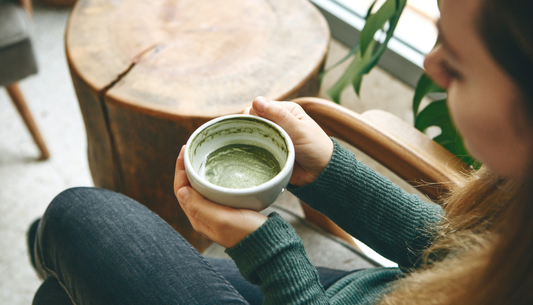
Does Green Tea Have Caffeine? Why It’s Actually Better Than Your Morning Coffee?
Yes, green tea does have caffeine. But it's in a smaller amount than coffee. This makes it easier to get clean energy without feeling jittery.
Drinking 2–3 cups of coffee a day can lead to restlessness and anxiety. People often look for alternatives that don't cause jitters.
Green tea has about 20–50 mg of caffeine per cup. Coffee has 80–120 mg. So, green tea has less caffeine than coffee.

Green tea also has L-theanine, which helps you relax and stay focused. It makes you feel alert but not over-caffeinated.
Switching from coffee to green tea might feel like a drop at first. But, many people find their energy levels balance out within a week.
TeaChuck is all about finding calm focus in our busy lives. Its founder, Minghui Lü, spent 10 years perfecting it. He wanted to bring the calm of nature into our daily routines.
Key Takeaways
- Does green tea have caffeine? Yes, but it’s usually a moderate amount.
- How much caffeine in green tea is often 20–50 mg per cup, versus 80–120 mg in coffee.
- Green tea is known for clean energy without jitters, making it great for those sensitive to coffee.
- L-theanine helps with mental clarity and focus, making caffeine's effects milder.
- Switching from coffee may take a few days before you feel steady benefits and no coffee jitters.
- TeaChuck highlights a professional’s ritual that fits a modern life rhythm without feeling intense.
Does Green Tea Have Caffeine? The Secret Behind the Leaf’s Natural Vitality
So, does organic green tea have caffeine? Yes, but the amount can vary a lot. This is because all true tea comes from Camellia sinensis. The leaf's chemistry changes with the season, how it's cut, and how it's made.

Ever wondered why one cup of green tea feels light and another feels brisk? It's often because of how the leaf was made and brewed. Your cup is a mix of farm and kitchen choices.
Tea type and processing
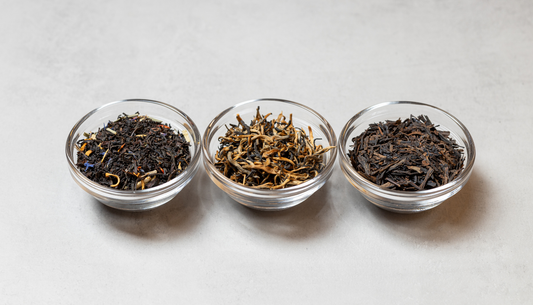
Tea type and processing affect both flavor and caffeine levels. Black tea is oxidized, while green and white teas are not. This changes taste and how caffeine affects you.
Black tea, espresso, and coffee have more caffeine than green tea. Green tea is moderate, white tea varies, and herbal tea has almost no caffeine because it's not from Camellia sinensis.
Green tea usually has 20–50 mg of caffeine per cup. Some green teas can have up to ~45 mg in an average cup.
Matcha has more caffeine because you drink the leaf itself. A typical serving has 18.9–44.4 mg of caffeine, depending on the grade and preparation.
A common question among our community is: Does loose leaf green tea have more caffeine? While the caffeine content is naturally balanced, our artisan-crafted whole leaf teas allow for a more controlled release of energy compared to standard tea bags.
But, whole leaf purity doesn't always mean more caffeine. It often means cleaner flavor and more control. Dust-filled bags may extract fast and taste sharp, even with similar caffeine levels.
Brewing variables that change caffeine
Brewing variables can change caffeine levels in your tea. Water temperature, steep time, tea quantity, and repeated infusions all affect extraction.
A 2024 study showed how much caffeine can vary. At 212°F (100°C) for 30 minutes, researchers extracted 0.08 g caffeine from green tea, and 0.047 g from used green tea. These conditions are extreme, but they show how time and heat can change caffeine levels.
That's why two brews from the same leaves can feel different. With loose leaf, you can adjust the dose and timing to match your day. This keeps the cup bright, smooth, and true to whole leaf purity.
How Much Caffeine in Green Tea vs. Coffee: Choosing "Clean Energy" Without the Jitters
Ever wondered about the caffeine in green tea versus coffee? The difference is clear when you look at cup sizes. Green tea usually has 20–50 mg of caffeine in an 8-ounce cup, with most labels saying about 30 mg. Coffee, on the other hand, has 80–120 mg per 8-ounce cup, sometimes reaching 90–200 mg depending on the beans and brewing method.

Green tea offers a Purely Elevated experience—a gentle lift that respects your body’s natural rhythm. Tea leaves have about 4% caffeine, while coffee beans have 0.9%–2.6%. But coffee is brewed hotter and with more grounds, pulling more caffeine into your cup and causing jitters.
- Green tea: provides a gentle lift, often described as clean energy and elevated calm
- Coffee: gives a quicker boost but may lead to a caffeine crash later
How your body digests it matters too. Coffee's higher acidity can upset some stomachs or cause heartburn, worse when on an empty stomach. Green tea, being less acidic, is a better choice for those who want to avoid stomach issues while staying focused and energized.
Timing is key. Caffeine starts working in about 45 minutes. A morning cup is easier to handle than a late-day one. Healthy adults should aim for no more than 400 mg per day, or about 200 mg at a time, or roughly 1.4 mg per pound of body weight. Too much can lead to anxiety, restlessness, and trouble sleeping.
The Science of Productivity: How Green Tea Caffeine & L-Theanine Fuel Your Focus
Some drinks give you a quick boost, then crash. Green tea, on the other hand, offers a steady flow. This is why it's a favorite for those looking to stay focused at work.
It's a simple habit that fits into busy workdays. It's great for deep work, long calls, and getting your inbox to zero. In these situations, staying calm is just as important as being alert.
Why the Caffeine Feels Different than Coffee
Coffee can hit you hard and fast. Green tea, with its mix of caffeine and l-theanine, feels smoother. This blend helps you stay alert but relaxed.
This combination boosts alertness without the jitters. It means fewer side effects like a racing heart or shaky hands. This is great for tasks that require focus, like writing or reviewing documents.
This small change can make a big difference in your productivity and focus throughout the day.
- Steadier lift for planning and problem-solving
- Cleaner feel during inbox zero sessions and meetings
- Less crash when the day runs long
Antioxidants and Wellness Angle
Green tea isn't fermented like black tea, which keeps more antioxidants. Catechins are key here, linked to cell health and immune support.
Registered dietitian Brigitte Zeitlin, R.D., C.D.N., of BZ Nutrition says tea has more antioxidants than coffee. This is important for steady energy that's also good for your body.
Studies also show green tea supports heart health. The mix of caffeine and catechins may boost metabolism and energy use. Over time, this can help you stay alert, relaxed, and focused when needed.
Why Altitude Matters: The 5,000ft Secret to "Clean Energy"
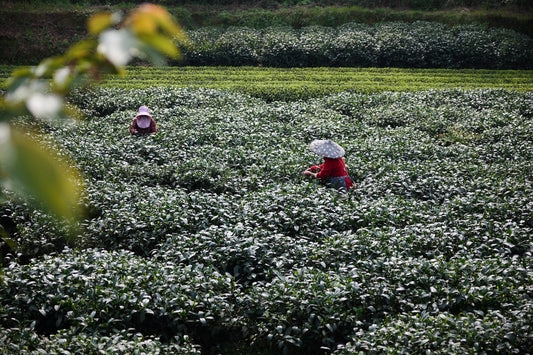
Tea plants at 1500 meters (5000ft) grow in thinner air and cooler days. This slower pace makes the tea feel crisp and light. Guizhou high-mountain tea offers a calm daily ritual, providing clean energy without jitters.
TeaChuck celebrates this origin story as part of a refined lifestyle. Caffeine levels depend on leaf style and brewing method. But, the experience is smoother with whole leaves, leading to a cleaner finish and steadier mood.
Altitude is more than a number; it signals clarity in the cup.
Slower Growth, Higher Purity
In Guizhou's misty peaks, slow growth enhances flavor over time. Enfans of purity at 1500 meters seek a bright, smooth taste. This style complements focused work and quiet mornings.
- Cooler nights lead to a cleaner, less pushy taste.
- Careful leaf handling keeps the brew clear and fresh.
- Small changes in steep time balance the cup.
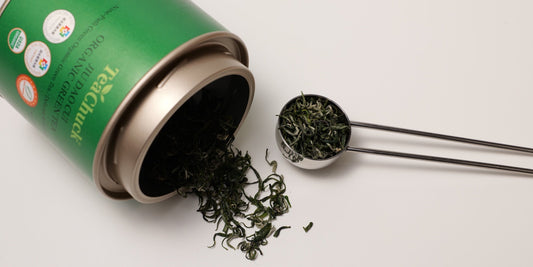
Our Jiu Dao Cui Organic Green Tea captures this 5,000ft soul, using nine artisan steps to ensure a silky finish that coffee can't replicate.
Mineral-Rich Red Soil & Natural Mist
Guizhou farms boast mineral-rich red soil and frequent cloud cover. This mix adds a gentle sweetness and soft structure, evident in Guizhou Mist oOrganic Green. The "cloud-kissed" feel is a sensory experience many notice.
Guizhou high-mountain tea offers a simple yet significant upgrade. It brings cleaner taste, calmer focus, and clean energy without jitters. For TeaChuck, this is the promise of a refined lifestyle, influenced by mist, soil, and 1500 meters altitude (5000ft).
Savoring the Calm: How to Reduce Caffeine in Green Tea While Preserving Its Soul
If you're sensitive to caffeine, even a small amount can be overwhelming. Some folks feel more anxiety, restlessness, or trouble sleeping after drinking it. A 2019 study found that caffeine can lead to headaches and migraines in adults.
Most adults aim for 400 mg per day and 200 mg at a time. Pregnant or breastfeeding women should stick to 200 mg per day. Making small changes in how you brew green tea can help manage caffeine intake.
Use a first rinse
A first rinse is easy: pour hot water over the leaves, steep briefly, then throw it away. This keeps the ritual but reduces caffeine in your cup.
This trick is great for those who drink tea late in the day. Having your last cup around 4 p.m. is gentler than coffee. The quick rinse makes it even better.
Brew cooler and shorter
Hot water and long steep times pull more caffeine from the leaves. To enjoy a calmer tea, brew cooler and for less time.
- Try 1 minute instead of 3 to reduce extraction while keeping a fresh, grassy aroma.
- Avoid extremes like 212°F for 30 minutes, which can maximize caffeine and turn the cup harsh.
On stressful days, consider decaffeinated tea. Many people alternate it with regular green tea. This keeps the flavor familiar but the caffeine low.
From Yoga Mats to Workspaces: Finding Your Perfect Caffeine Rhythm
In today's fast-paced world, caffeine is more effective when it's part of a plan. It usually starts working in about 45 minutes. This timing helps avoid sleep loss while keeping you energized.
Green tea is a favorite for many, as it provides a steady boost without the sudden crash of coffee.
Switching to green tea might feel slow at first. You might feel tired or less motivated. But, after a few days, you'll notice a smoother flow.
By day five, you'll likely feel calmer and more focused. Your mind will stay clear, even in the afternoon.
The blue-and-white crackle patterns of our UNESCO-recognized Batik packaging serve as a visual extension of the mountain spirit, turning your desk into a sanctuary of calm.
The "Creative Flow" Morning
Green tea is great for deep work. It offers a calm alertness that supports creative flow. This makes it perfect for tasks that require focus, like writing or planning.
The way you drink it matters. Matcha lattes are richer, while brewed tea is lighter. If matcha is too strong, start with a smaller amount and adjust as needed.
- Brewed green tea for a clean, simple start that doesn’t crowd breakfast.
- Matcha latte with soy milk when you want a creamier texture and a steady pace.
For this, we recommend Cuiya Organic Green Tea. As a Gold Medal winner, its pure almond elegance is the ultimate companion for creative sparks.
The Post-Lunch Reset
Many people drink a second cup after lunch, but it can disrupt the day. Green tea can offer a boost without the jitters. It might also help you sleep better at night.
Try drinking your afternoon tea around 4 p.m. or earlier. This keeps you energized without disrupting your evening. For a gentler routine, consider decaf on weekends to maintain your habit without overloading your system.
Taste the "Gift of Nature": Why TeaChuck’s 1,500-Meter High-Altitude Green Tea is Different
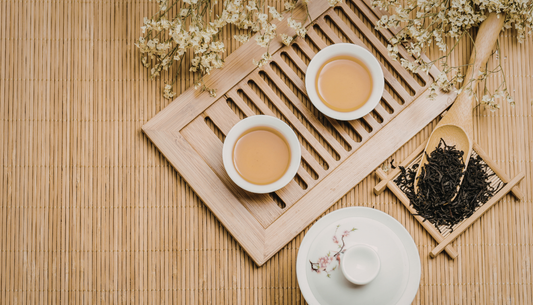
TeaChuck is perfect for those who prefer a calm pace. It turns your daily tea into a special ritual that boosts focus without the crash. The unique taste comes from the high altitude, where the air is clean and the leaves grow slowly.
TeaChuck is the realization of Minghui Lü’s decade-long vow to the earth, bridging ancient Eastern heritage with the pulse of modern life. He searched for years and found Guizhou's misty peaks. There, he made a promise to offer the purest tea, following strict standards.
TeaChuck is certified USDA organic and has won gold medals in tea awards. You can choose from several teas, each with its own unique flavor. Whether you like a bright tea, a sweet one, or something deeper, there's a perfect choice for you.
Every cup of TeaChuck also celebrates Guizhou's batik heritage. This UNESCO-recognized craft adds a special touch to the packaging. It shows that TeaChuck is more than just tea—it's a blend of culture, intention, and clarity.
Continue Your Journey to the Peaks
If you enjoyed discovering the "Elevated Calm" of high-altitude caffeine, you might find these insights equally refreshing for your daily ritual:
01. Is Green Tea Good for Gut Health — What Does the Research Actually Say?
Beyond the focus-boosting duo of caffeine and L-theanine, green tea is a gift for your inner balance. We dive deep into the latest science to see how the antioxidants found in our 1,500-meter peaks support a flourishing gut microbiome. Discover how a simple cup can be a "Sensory Restart" for your entire digestive system.
02. Tired of Bitter Tea? Why Organic Loose Leaf Green Tea from High Altitudes Tastes Sweeter
If you think green tea is always bitter, you haven’t tasted the mountain mist. Explore how the mineral-rich red soil of Guizhou and the thin air at 5,000 feet naturally reduce bitterness while concentrating honey-sweet amino acids. Learn why Minghui Lü’s artisan-crafted whole leaves offer a silky elegance that tea bags can never replicate.
FAQ
Does green tea have caffeine?
Yes, green tea does have caffeine. But it's not as much as in coffee. Many find it gives a steady energy without the jitters, thanks to L-theanine.
How much caffeine is in green tea vs coffee?
Green tea usually has 20–50 mg of caffeine per cup. Coffee can have 80–120 mg per cup. This is why coffee feels more intense.
Why do some people feel anxious or shaky after 2–3 cups of coffee a day?
Too much caffeine can cause restlessness and shakiness. Switching to green tea can help. It supports focus without the jitters.
Why does green tea energy feel smoother than coffee?
Green tea has L-theanine, which calms the mind while keeping you alert. It offers a relaxed yet focused state, unlike coffee's jitters.
If tea leaves can have more caffeine than coffee beans, why does coffee usually hit harder?
Tea leaves have about 4% caffeine, while coffee beans have 0.9%–2.6%. But coffee is brewed hotter and with more material, making it more caffeinated.
What’s the caffeine range for green tea, including stronger styles like matcha?
Green tea usually has 20–50 mg of caffeine per cup. Matcha can have up to 44.4 mg per half-teaspoon serving, as you drink the whole leaf.
Does loose leaf green tea have more caffeine than tea bags?
Loose leaf can feel stronger because you can control the amount and brewing time. It also allows for more caffeine in each cup.
What brewing variables change caffeine in green tea?
Water temperature, steep time, tea amount, and how many times you steep it all affect caffeine. Hotter water and longer steeps pull out more caffeine.
What does the 2024 study say about caffeine extraction in green tea?
A 2024 study found the best caffeine extraction at 212°F for 30 minutes. It extracted 0.08 g caffeine from green tea, showing how steep time and temperature matter.
How quickly does caffeine kick in?
Caffeine starts working in about 45 minutes. This timing is good for planning work sessions or meetings without disrupting sleep.
Is green tea gentler on the stomach than coffee?
Yes, often. Coffee's acidity can upset the stomach, while green tea is usually gentler. This is why some prefer tea after lunch.
How much caffeine is considered safe per day?
Most adults can safely have up to 400 mg of caffeine daily. This is about 1.4 mg per pound of body weight. Too much can cause anxiety and sleep issues.
Can switching from coffee to green tea cause an adjustment period?
Yes, switching can lead to feeling tired or sluggish at first. But many find they feel calmer and more focused later on.
How to reduce caffeine in green tea without giving up the ritual?
Use a first rinse and brew cooler and shorter. A quick rinse can lower caffeine, and brewing cooler and shorter reduces it while keeping flavor.
What’s a good time to stop caffeine so it doesn’t affect sleep?
Stopping caffeine by 4 p.m. or earlier is best. Caffeine can act in ~45 minutes and last for hours, so timing is key for a calm evening.
How do tea types compare—green, black, white, herbal, and espresso or coffee?
Black tea, espresso, and coffee have more caffeine. Green tea is moderate. White tea varies. Herbal tea has little to no caffeine. Tea types differ in caffeine content based on how they're made.
Does organic green tea have caffeine?
Yes, organic green tea has caffeine. Organic means it's grown and processed without certain chemicals. It's from Camellia sinensis, so it naturally has caffeine unless decaffeinated.
Why do antioxidants come up so much with green tea?
Green tea's antioxidants, like catechins, are preserved because it's not fermented. These support cell health and the immune system. Tea has more antioxidants than coffee and may fight inflammation and chronic illness.
Can green tea support productivity for deep work?
Yes, many find green tea perfect for deep work. Its moderate caffeine and L-theanine offer calm focus and mental clarity, unlike coffee's crash.
What’s the “Purely Elevated” idea behind TeaChuck?
TeaChuck aims for focus without the crash. It's based on founder Minghui Lü's quest for purity. It brings high-mountain Guizhou tea to your desk.
Does high altitude mean higher caffeine in green tea?
Not necessarily. Caffeine content depends more on tea type, harvest, and brewing. Altitude adds to the tea's taste, not caffeine.
What does Guizhou’s growing environment add to the cup?
Guizhou's misty peaks and mineral-rich soil make TeaChuck's tea calm and clean. It's for calm focus, not just stimulation.
What TeaChuck green teas are available for people choosing green tea over coffee?
TeaChuck offers Jiu Dao Cui, Cuiya, Cloud-Kissed Reserve, and Guizhou Mist green teas. They're whole leaf, organic, and support focus and calm.
What makes TeaChuck different beyond caffeine and focus claims?
TeaChuck combines origin and craft, inspired by Guizhou batik. It's high-mountain sourced and designed for modern work needs.
Can caffeine sensitivity show up as headaches or migraines?
Yes, for some. A 2019 study linked regular caffeine to headaches and migraines. If sensitive, choose green tea, control brewing, and watch timing.
Previous
Is Green Tea Good for Gut Health — What Does the Research Actually Say?
Next
Is one steep ever enough? How to get the most out of your premium loose leaf?