What’s the difference between Jiu Dao Cui and regular green tea?
In the United States, the debate between premium and regular green tea often centers on scale. Regular green tea is made for mass distribution, with a consistent taste. On the other hand, artisan-crafted green tea from specific Chinese regions is shaped by unique factors like mountain slopes and harvest times.

Chinese green tea names can be confusing in Western markets. Many names reflect place, craft style, or local traditions. Some teas are produced in only a few hundred kilograms a year. Older export spellings from Cantonese and Hong Kong trade routes add to the confusion.
TeaChuck embraces this heritage with a modern twist. Founded by Minghui Lü, it aims to bring high-mountain tea culture into everyday American life. The brand promises a "Purely Elevated" cup with a complex flavor and clean energy.
We'll explore the differences step by step. We'll look at what the name means, where the tea comes from, how it's processed, and what it tastes like. We'll also see how it fits into daily routines, like hydration and mindfulness.
Jiu Dao Cui Organic Green Tea, Premium vs regular green tea
In the U.S., the difference between Premium and regular green tea often comes down to the name. Jiu Dao Cui Organic Green Tea suggests a special place, careful craft, and a unique leaf style. It's more than just a generic term.

What “Jiu Dao Cui” signals in Chinese tea naming traditions
Chinese tea names usually have two parts. The first part tells where it's from, and the second part describes the leaf. For example, Cui means jade green, Lü means green, and Hao/Mao refers to downy hairs.
This makes Jiu Dao Cui organic green tea seem more specific than regular green tea. It suggests a unique identity. But, mass-market teas often have broad names because they're made in large quantities. Small areas can't produce enough to meet demand, so their names stay rare.
In America, tea names can vary even more. This is because of older export channels and how names were spelled in the past. This has led to different spellings of the same tea names from brand to brand.
How TeaChuck positions Jiu Dao Cui as a “Triple-Crown Legend”
TeaChuck, founded by Minghui Lü, sees this tea as a special find. They focus on its unique qualities and how it fits into a modern tea ritual. Their approach emphasizes clear identity and premium quality.
TeaChuck also highlights the tea's awards. They point out that it's a triple gold winner at the 10th & 7th Asia-Pacific Tea Awards and the 2023 Hua Ming Cup. This adds credibility for those looking for high-quality tea.
At-a-glance: what most drinkers notice first
- Provenance signals: a name that reads like a specific style, not a catch-all label.
- Processing language: more detail than “green tea,” with clearer cues for how the leaf was handled.
- Proof-points: award mentions that separate Jiu Dao Cui Organic Green Tea from everyday blends.
- Sensory promise: a more defined expectation than regular supermarket green tea, which can vary batch to batch.
Where the leaf comes from: high-altitude growing, sourcing scale, and what “organic” typically implies
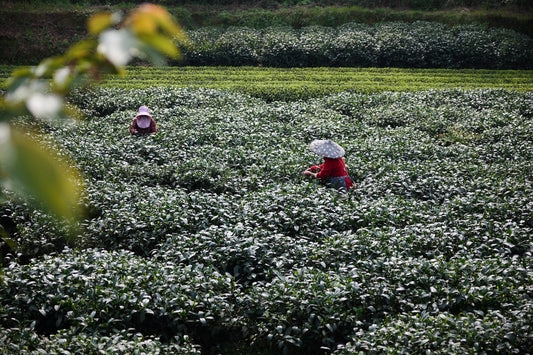
Origin is key in premium vs regular green tea. In China, many gardens are far from highways and steep slopes. This makes high-altitude green tea grow slower and have tighter harvest times.

In the United States, labels matter a lot. Organic green tea sourcing means more paperwork and field controls. It's about quality, not magic.
Why mountainous origin often correlates with limited volume and higher selectivity
Mountain plots are small and hard to work. They may only produce a few hundred kilograms a year. This scarcity means producers can pick and process tea more carefully.
Regions like Chenzhou have plantings at 1,000–1,400 meters above sea level. This altitude supports slow-growing leaves. It also means small-batch quality because each lot is distinct.
Whole-leaf organic tea vs. commodity-grade leaf
Whole-leaf organic tea is sorted to keep leaves intact. You'll see more whole pieces and less dust. This quality matches traditional mastery.
Commodity-grade green tea is made for scale and price. Teas like Ping Shui Zhu Cha are known for mass production. This makes them easy to ship and blend, but they might taste standard.
How export history can shape what Americans call a tea
Tea names can get confusing when they leave their region. For years, exports through Hong Kong used Cantonese spellings. Later, Pinyin became more common, after 1997.
For brands like TeaChuck, the story of where the tea comes from is important. Pairing organic green tea with clear origin details helps. It shows how high-altitude green tea can be different, without forcing all teas into one category.
Nine-step tea processing and artisan craftsmanship vs. mass production methods
Processing turns a green tea into something special or just okay. TeaChuck focuses on Jiu Dao Cui's nine-step process. This careful approach ensures small-batch quality and a bright, not harsh, taste.
What “nine-step tea processing” means for consistency and character
In tea talk, sha qing, or “kill green,” is a heat step that stops oxidation. It keeps the tea fresh. The nine steps control aroma, clarity, and texture.
Artisan-crafted green tea promises more control and intention. Traditional mastery leads to steadier flavor and clean energy without bitterness.
Where regular green tea often diverges
Regular green tea focuses on volume and repeatability. Mechanical workflows prioritize speed over detail. This can result in flavor that's not as rich.
It's not bad, but it changes the taste experience. Industrial tea aims for sameness. Small-batch tea offers subtle sweetness and a calmer finish.
Quality markers readers can evaluate at home
- Dry leaf cues: Look for whole leaves with tidy, needle-like or pointed “shoot” shapes, not dusty fragments.
- Liquor clarity: A clear, light brew often signals careful heat-fixing and clean handling.
- Mouthfeel: The sip should feel smooth and layered, not scratchy on the sides of the tongue.
- Aftertaste: Notice whether sweetness lingers and settles into a non-astringent green tea finish.
- Daily feel: A well-made cup can deliver clean energy without bitterness, even when brewed a touch stronger.
Aroma, taste, and texture: roasted almond aroma, sweet resonance, and a clean finish
TeaChuck Jiu Dao Cui starts with a roasted almond aroma. It feels warm and toasty, not grassy. This first taste suggests a complex flavor profile that's clear and not sharp.
The mouthfeel is where many drinkers notice the premium gap. Instead of a thin or brisk sip, it has a silky texture. This texture coats the palate and stays smooth as it cools.
The lasting sweetness is known as hui gan, or “returning sweetness.” It shows up as sweet resonance. This sweetness rises after swallowing, then settles without becoming too sweet.
Finish is shaped by oxidation control. Green tea is usually unoxidized, while oolong is semi-oxidized. With careful processing, the finish can be a non-astringent green tea finish. This is the hallmark of a clean finish green tea.
- Regular green tea: brand-to-brand swings; bagged formats can taste flat, thin, or bitter, with a quick drop-off.
- TeaChuck Jiu Dao Cui: aroma-forward and texture-driven, with a measured arc from roasted almond aroma to sweet resonance and a clean finish green tea impression that lingers.
Benefits and use-cases: mental clarity, EGCG antioxidants, and post-yoga recovery rituals
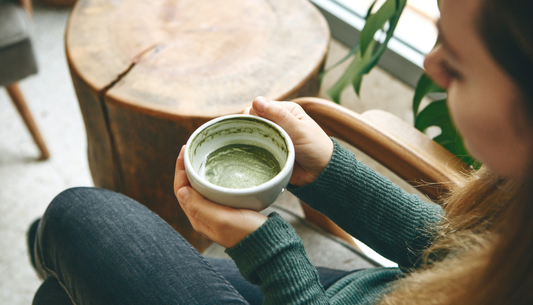
TeaChuck sees Jiu Dao Cui as a tea for clear thinking. It's perfect for quiet focus and steady attention. The brand's "Chá Kè" inspiration encourages mindful brewing, where you slow down and enjoy each sip.
As a meditation tea, it fits into routines like breathwork, journaling, or a short break from screens.
Jiu Dao Cui is also rich in EGCG antioxidants. These catechins help fight off free radicals. This antioxidant story is part of the broader tea research, showing how a cup can support cellular health.
Many green teas are also known for gentle digestion support and moderate caffeine. This caffeine is smoother than coffee.
On days you're active, Jiu Dao Cui can be a post-yoga recovery drink. It offers warm hydration and a calming ritual as your body cools down. The EGCG supports natural metabolic support and pairs well with protein, fruit, or a light breakfast.
After exercise, it's part of metabolic recovery, not a quick fix.
On busy afternoons, brew it as a clean-focus break instead of another sugary drink. Its non-harsh finish provides steady energy, not a jittery spike. Later in the day, it can also be a meditation tea for an evening wind-down. Here, aroma and slow sipping are more important than stimulation.
FAQ
What’s the difference between Jiu Dao Cui and regular green tea in the U.S. market?
Regular green tea in the U.S. is often made in large quantities for consistency. Jiu Dao Cui, on the other hand, is a premium Chinese green tea. It has a smaller output and more specific processing, making it a unique experience.
Why can Chinese green tea names feel confusing to American shoppers?
Chinese green tea names often reflect their regional origins and are produced in small quantities. This can make them hard to find and understand. Older U.S. export channels used Hong Kong wholesalers, leading to different spellings for the same tea.
What does “Jiu Dao Cui” signal in Chinese tea naming traditions?
“Jiu Dao Cui” signals the tea's origin and appearance. It's a poetic name that helps you understand the tea before you even taste it. The name often includes words like Cui (jade green) and Lü (green).
Does a tea’s fame always reflect its quality?
No, fame doesn't always mean quality. In Chinese green tea, some teas are famous but hard to find. This is because they come from mountainous regions that can't produce large quantities.
How does TeaChuck position Jiu Dao Cui within premium vs regular green tea?
TeaChuck, founded by Minghui Lü, offers Jiu Dao Cui as a premium green tea. It's made in small batches and focuses on quality and tradition. This sets it apart from regular green tea.
What awards back up Jiu Dao Cui’s “premium” claims?
Jiu Dao Cui has won several awards, including the Triple Gold Winner at the 10th & 7th Asia-Pacific Tea Awards and the 2023 Hua Ming Cup. These awards show its quality and make it stand out from regular green tea.
What “at-a-glance” cues help identify premium green tea?
Premium green teas often have clear origin cues and specific processing details. They also have credible awards and a defined flavor promise. Regular green teas usually have broad terms like “smooth” or “refreshing”.
Why does mountainous origin often mean limited volume and higher selectivity?
Mountainous regions make it hard to grow tea on a large scale. This leads to smaller production and more careful picking. It's like a curated selection.
Does high altitude matter for taste and quality context?
Yes, high altitude can affect the taste and quality of tea. Tea grown at 1,000–1,400 meters above sea level is often considered better. It's rarer and more carefully made.
What does “whole-leaf organic tea” mean compared with commodity-grade leaf?
Whole-leaf organic tea means the leaves are intact and made with strict farming standards. It's different from commodity-grade tea, which is often mass-produced and lacks nuance.
How does “organic” fit into what Americans should expect—without overclaiming benefits?
Organic means the tea is made with strict farming standards. It doesn't promise a specific taste or health benefit. TeaChuck's Jiu Dao Cui offers a clean taste and a mindful ritual experience.
How can export history change what Americans call a tea?
Export history has shaped tea names in the U.S. Old export channels used Hong Kong, leading to different spellings. This makes it hard to compare teas without looking at origin and details.
What does “nine-step tea processing” mean for flavor and consistency?
Nine-step tea processing means the tea is carefully made to preserve its flavor. It includes a step called sha qing to keep the tea fresh and green.
Where does regular green tea often diverge in processing?
Regular green tea is often made for volume and consistency. It may use machines from picking to roasting. This can make the tea taste less nuanced.
What quality markers can I evaluate at home without being a tea expert?
Look at the dry leaves for shape and color. Check if the brewed tea is clear and has a clean finish. Notice the mouthfeel and aftertaste for a premium experience.
What should I expect from TeaChuck Jiu Dao Cui’s aroma and taste?
TeaChuck's Jiu Dao Cui has a strong aroma and a silky texture. It's sweet and has a clean finish. This is different from the taste of mass-market green tea.
What does “sweet resonance” mean in traditional tasting language?
Sweet resonance, or hui gan, means the tea leaves a sweet aftertaste. It's like an echo of sweetness after you swallow.
Why does a “clean, non-astringent finish” matter for green tea?
A clean finish means the tea is well-made and balanced. It's important for green tea to avoid bitterness and dryness.
Is Jiu Dao Cui designed for energy, focus, or relaxation?
TeaChuck's Jiu Dao Cui is for mental clarity and focus. It's a mindful tea that provides clean energy without bitterness.
What does “EGCG-rich antioxidant tea” mean here?
Jiu Dao Cui is rich in EGCG, an antioxidant. It's believed to support cellular health. Tea is also known for its polyphenols and caffeine.
How do people use Jiu Dao Cui for post-yoga recovery or metabolic recovery routines?
TeaChuck suggests Jiu Dao Cui for post-yoga recovery. It's a calming tea that supports hydration and has antioxidant benefits. It's also good for metabolic recovery.
What makes Jiu Dao Cui feel “premium” beyond taste alone?
Jiu Dao Cui is premium because of its origin, small batch size, and careful processing. It has a distinct aroma and taste, making it a unique experience.
Where can I find Jiu Dao Cui if it’s limited and small-batch?
Jiu Dao Cui is a limited and small-batch tea. TeaChuck offers it exclusively. The best way to get it is through TeaChuck's official channels when it's available.