Is one steep ever enough? How to get the most out of your premium loose leaf?
Throwing away tea leaves after just one cup feels wasteful. With the right leaves and care, you can enjoy multiple cups. This is the essence of a premium loose leaf ritual: less waste, more taste, and a calmer pace.

Anti-bitterness brewing is key. If your first cup is too hot or long, later cups might taste flat or sharp. Getting the basics right—like leaf quality, water temperature, and steep time—is essential to protect every infusion.
When brewing TeaChuck, think of the leaves as an ingredient you can work with. Once you master brewing loose leaf green tea, re-steeping becomes easy. You'll notice the aroma softens, sweetness opens up, and the finish stays clean.
There's guidance in the tea world, but taste is personal. Zero-waste tea steeping is practical, too. Use a timer and adjust one variable at a time. Take notes, trust your palate, and aim for that steady cup of liquid serenity.
Key Takeaways
- Premium loose leaf is often meant for more than one infusion, not a single steep.
- Anti-bitterness brewing starts with the first cup, so later re-steeps stay smooth.
- To learn how to steep green tea multiple times, control temperature, time, and leaf amount.
- How to brew loose leaf green tea well is the baseline for a flavorful second and third cup.
- TeaChuck leaves can show changing flavor across infusions when brewed with care.
- Zero-waste tea steeping is easier when you experiment, time each pour, and keep simple notes.
The Soul of Dayan Mountain: Why TeaChuck Premium Loose Leaf is Built for Multiple Infusions
TeaChuck was born from a promise to the earth by Tea Expert Minghui Lü. It all began in Dayan Mountain, Guizhou, China. This tea is grown at 1,500m purity, at 5,000ft altitude. The air is crisp, and mornings are slow.
Whole-leaf purity is why these leaves keep giving. Large leaves unfurl in stages. This means your cup stays flavorful with each sip.

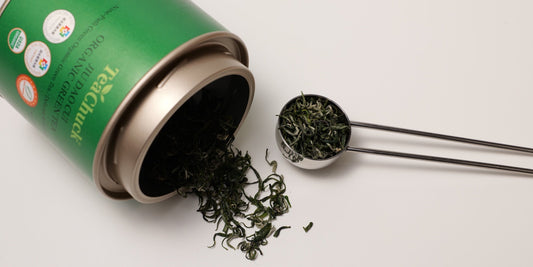
When you hold our Jiu Dao Cui Organic Green Tea, you are holding a 'Triple-Crown' legend. Its leaves are resilient and strong, crafted through nine artisan steps to ensure that the soul of Dayan Mountain doesn't wash away in the first pour, but lingers for a profound, sweet resonance.
The mineral-rich red soil of Dayan Mountain adds depth to the leaves. This structure is key for re-steeping. The first pour is bright, the second is deeper, and the third is soft and clean.
So, the idea of "used-up leaves" doesn't apply to chá kè who drink with patience. With TeaChuck, multiple infusions are about experiencing the mountain soul's transformation.
Quality changes how we measure. Whole leaves vary in size, making teaspoons unreliable. This can make later steeps taste thin, even if the tea is excellent.
- Start with a small weight you can repeat, then adjust by taste.
- Let the leaf fully unfurl before judging the strength.
- Expect a flavor journey, not a single “perfect” hit.
Our packaging, featuring UNESCO-recognized Guizhou Batik patterns, is as multi-layered as the tea itself—a visual tribute to the mountain spirit.
The Art of the Re-steep: How to Steep Green Tea Multiple Times Without the Bitterness
Ever wondered how to steep green tea multiple times without bitterness? The secret is control, not luck. Anti-bitterness brewing means managing heat, time, and contact to keep the tea bright.
Bitterness often comes from water that's too hot or steeping too long. Also, letting leaves sit in water after the timer ends can cause bitterness. Remove the leaves right away to avoid a burnt taste and keep the tea smooth.

For premium greens, aim for a 2–8 minute steep. Adjust based on what's in your cup. Watch for the leaves to unfurl, which signals a good time to stop.
- Start at 2 minutes, then taste again at 3 and 4 minutes on your first try.
- Adjust one thing at a time: shorten the steep, cool the water, or use a bit more leaf.
- Pour out the infusion fully so extraction stops cleanly between steeps.
This method also makes green tea taste better over time. Treat each infusion like a fresh snapshot. You'll notice the flavor evolve from grassy to nutty, with a sweet finish.
Master the Elements: Finding the Perfect Temperature to Brew Green Tea for a Non-Astringent Finish
Great green tea is all about control, not luck. People often ask about the right temperature to brew green tea. They want a balance of aroma, sweetness, and clarity without any harshness.
Four key factors are essential for a consistent cup: the quality of the leaves, the water temperature, the steeping time, and the amount of tea used. Temperature and time are the most critical to avoid bitterness.
Tea-To-Water Ratio For Loose Leaf
For those new to brewing loose leaf green tea, start with a ratio. Use about 2 grams of tea for every 8 ounces of water. Adjust to taste.
For re-infusions, use a bit more leaf and steep for a shorter time. This keeps the tea's body while ensuring a clean finish.
- Light and floral: slightly less leaf, same temperature, shorter time
- Richer and rounder: slightly more leaf, shorter time, careful pours
The 80°C (175°F) Secret: What Temperature to Brew Green Tea to Avoid Bitterness
Using 80°c (175°f) is a simple way to avoid bitterness. This temperature extracts the best from the leaves without the harsh compounds that come from hotter water.
This precision is especially vital for our Cuiya Organic Green Tea. As an 'Imperial Sprout' picked from the 5,000ft peaks, these delicate buds are pure and transparent. Using the correct temperature unlocks its signature high-altitude almond elegance and ensures a liquid serenity that is entirely free of bitterness.
For delicate buds, this is the perfect temperature. If your kettle doesn't show degrees, let boiled water sit for a few minutes before pouring.
Steep times that preserve delicate buds and a non-astringent finish
Steeping time is just as important as temperature. Start with 45 to 75 seconds for the first infusion. Shorten the next steep if the tea is too strong.
By keeping time and temperature consistent, the tea stays vibrant and complex. This way, delicate buds retain their flavor, and the finish is smooth and non-astringent.
- First steep: 45–75 seconds for clarity and aroma
- Second steep: 30–60 seconds to stay sweet and clean
- Third steep: 60–90 seconds as the leaf opens and softens
From Western Rituals to Gong Fu Style: Choosing Your Re-steeping Method
There are two easy paths for re-steeping: a roomy mug or a small pot. Both can fit a premium loose leaf ritual, and both can support a zero-waste lifestyle. Your choice comes down to time, tools, and how bold you want the cup to feel.
Western method for second and third infusion
The Western approach is simple and steady. Use one larger infuser, then re-steep the same leaves for a second and third infusion. It’s a practical way to learn how to steep green tea multiple times without turning it harsh.
- Keep the leaves: drain the cup well, so they don’t keep cooking between rounds.
- Adjust gently: add a little time on each re-steep, but don't raise the heat fast.
- Stay mindful: this habit supports zero-waste tea steeping with almost no extra effort.
Gongfu-Style Brewing For Flavor Evolution
If you like detail, try Gongfu-style brewing. Smaller pours and shorter steeps highlight flavor evolution, so the tea can move from fresh and grassy to soft and sweet. A gaiwan or small teapot gives you more control, sip by sip.
Many drinkers reach for TeaChuck lots that are crafted to hold up across rounds. With good leaf, the aroma stays lively, and the texture can feel smoother with each pour.
How Many Times Can You Steep Premium Loose Leaf?
Most green teas do well for several rounds, but the leaf quality sets the ceiling. With a high-grade pick, you may get a bright first cup, then a calmer second and third infusion, and sometimes more. Pay attention to scent and body; when the cup turns flat, the leaves have given what they can.
How to Make Green Tea Taste Better with Each Infusion: Unlocking the "Mountain Soul"
Learning to make green tea better is about rounds, not just one cup. TeaChuck leaves from Dayan Mountain start bright and fresh. The second infusion gets richer, and the third is quiet but precise. This change is the mountain soul revealing itself.
Each pour is a sensory restart. Smell the lid or cup before drinking. Notice how the taste lingers. You might catch a toasted almond aroma on the second infusion, followed by a cool aftertaste that feels pure.
The aim is to build a complex taste without harshness. If a cup feels thin, add more leaf or warm the teaware longer. But don't steep too long, as bitterness can ruin the sweet notes.
- Use a timer and keep your temperature steady so your results are repeatable.
- Write one short line per infusion: aroma, sweetness, and finish.
- Look for persistence sweetness as the steeps progress, even when the color turns lighter.
Mindful sipping helps spot small changes. Over time, you'll find your perfect balance for calm. When later infusions feel softer but expressive, you're experiencing high-mountain tea's true essence.
For those seeking a ritual of sustained focus, our Cloud-Kissed Reserve Organic Green is the professional’s choice. Its refined almond aroma and structural briskness are designed to make your 'Inbox Zero' sessions feel effortless. The more mindfully you brew, the more its Batik-inspired elegance reveals itself in the cup.

Beyond the Kettle: How to Cold Brew Green Tea for Refreshing Purity
Cold brewing green tea is easy and keeps it clean. It uses cool temperatures to protect the leaves. This way, the tea stays light and refreshing, perfect for any time.
How To Cold Brew Green Tea For Smooth Extraction
Cold brewing is like the opposite of burning leaves. Hot water can make green tea taste harsh. But cold brewing makes it smooth and gentle.
Begin with filtered water for a better taste. Tap water can make the tea taste off. Use about 1 teaspoon of loose leaf for every 8 ounces of water, adjusting as needed.
- Choose a glass jar or bottle with a tight lid.
- Add leaves first, then pour in filtered water to reduce clumping.
- Chill right away to keep flavors crisp and even.
If you want a bold awakening, we recommend using Guizhou Mist Organic Green for your cold brew. Its robust, mineral-forward profile from the misty peaks creates a refreshing, vibrating tingle on the tongue—making it the ultimate post-meal cleanse or a crisp sensory restart for a busy afternoon.

Overnight Steeping Workflow That Stays Clean
Steeping overnight is simple if you keep things clean. Put the jar in the fridge and let it steep. In the morning, strain it well to avoid a grassy taste.
For the best taste, steep for 8–12 hours. Taste it as you go. The perfect time brings a refreshing taste without bitterness.
Serve And Sip Mindfully
Pour it over ice for a cool drink, or enjoy it straight from the fridge. Keep it simple to let the tea's flavor shine. It pairs well with fruit, rice bowls, and light snacks.
Slow down and savor each sip. Notice how the flavor changes as it warms. This quiet clarity is like pure vitality, with fresh brew and clean water.
Tools And Setup That Make Multi-Steeping Easy At Home
Having the right tools makes re-steeping easy and enjoyable. Start with a kettle that lets you control the temperature. This ensures each infusion is perfect, not too bitter.
Choose a teapot with an infuser or a spacious tea infuser basket. A good basket lets leaves unfurl and then easily removes for the next steep.
- Size: pick a wide tea infuser basket for full leaf expansion.
- Filtration: a fine mesh infuser keeps small bits out of your cup.
- Care: look for easy-to-clean parts with no tight spots that trap aroma.
Make a simple routine and stick to it. Warm your teapot and infuser with hot water, swirl, then pour out before the first steep.
Between steeps, remove the infuser basket or fine mesh infuser right at the timer. This quick step ensures each pour is clear and flavorful, perfect for a premium loose leaf ritual.
Water is also important. Use filtered water to avoid minerals and chlorine that can dull the tea's aroma. This lets the tea's natural sweetness shine through.
If you're into a zero-waste lifestyle, choose durable tools for daily use. A good teapot with infuser and a reliable kettle with temperature control will last for years, perfect for weekday and weekend steeps.
Common Mistakes That Cause Burnt Taste Or Weak Re-Steeps—And How To Fix Them
To avoid burnt taste, fix the wrong water temperature. Green tea is delicate, so boiling water can burn it. Aim for 175–185°F (80–85°C) and let the kettle cool for a minute after boiling.
Weak re-steeps often come from oversteeping, not from too little tea. Use a timer for 1–3 minutes for early steeps, then add time in small steps. Remove the leaves right away to stop bitterness.
Another mistake is the wrong tea-to-water ratio. Start with 1 teaspoon per 8 ounces, then adjust based on leaf size and cup type. Give the tea a moment to unfurl; cramped leaves release less aroma.
If your cup feels flat, check your water and teapot. Poor quality water, like hard or strongly flavored tap water, can mute green tea. Use filtered or spring water instead. Also, pre-warm a cool teapot to hold steady heat, and remember each steep will change.
Elevate Your Tea Journey
The Science of Sweetness: Why Altitude Matters
If you’ve mastered the 80°C pour but still crave that elusive, lingering sweetness, the secret lies 5,000 feet above sea level. Discover how the dramatic temperature shifts and mineral-rich red soil of the high mountains transform bitterness into the signature toasted almond resonance found in every TeaChuck leaf.
[Read: Tired of bitter tea? Why organic loose leaf green tea from high altitudes tastes sweeter?]
A Vow to the Earth: The Story of Dayan Mountain
Tea is more than just a beverage; it is a "gift" from the peaks. Join our founder, Minghui Lü, as he recounts his journey into the heart of Guizhou to find the pristine 1,500m terroir that defines our brand. Learn why "1500m Purity" is not just a number, but a commitment to a purely elevated lifestyle.
[Read: The High-Altitude Secret of Dayan Mountain: Why 1,500m Defines TeaChuck’s Purity]
FAQ
Is one steep ever enough for premium loose leaf green tea?
Often, no. Tossing leaves after one cup can feel wasteful. Many whole-leaf green teas are designed for multiple infusions. A second and third steep can reveal a flavor evolution.
How do I steep green tea multiple times without getting bitterness?
What temperature should I use when brewing loose leaf green tea?
How long should I steep loose leaf green tea for the first, second, and third infusion?
Why do my second and third steeps taste weak?
What’s the best tea-to-water ratio for loose leaf green tea?
Why does leaving leaves in the pot make later infusions bitter?
What tools make multi-steeping easier at home?
How do I control temperature if I don’t have a variable-temp kettle?
Should I pre-warm the teapot for green tea?
How many times can you steep premium loose leaf green tea?
What’s the difference between Western re-steeping and Gongfu-style brewing?
How do I make green tea taste better with each infusion?
Why does water quality matter so much for green tea?
How does TeaChuck’s origin relate to re-steeping?
How do I cold brew green tea for smooth extraction?
What’s an easy overnight steeping workflow for cold brew green tea?
How should I serve cold brew green tea for the best taste?
What’s the most common mistake that causes a burnt taste in green tea?
What’s the biggest timing mistake people make with re-steeping?
Why shouldn’t I expect each infusion to taste identical?
Can I follow a zero-waste lifestyle with loose leaf tea?
Previous
Does Green Tea Have Caffeine? Why It’s Actually Better Than Your Morning Coffee?
Next
What's actually in your tea bag? Is it time to switch to premium whole leaf tea?