Tired of bitter tea? Why organic loose leaf green tea from high altitudes tastes sweeter?
Many U.S. tea drinkers face a common problem: a cup that starts off well but ends up bitter. This bitter taste can hide the true beauty of green tea. It can offer a clean flavor, calm energy, and a truly enjoyable experience.
Tea grown high in the mountains and handled with care is a game-changer. It quickly reveals a naturally sweet taste. The goal is not to hide flavors with sugar. It's to create a smooth cup that feels like zero bitterness tea, even for those who usually avoid it.

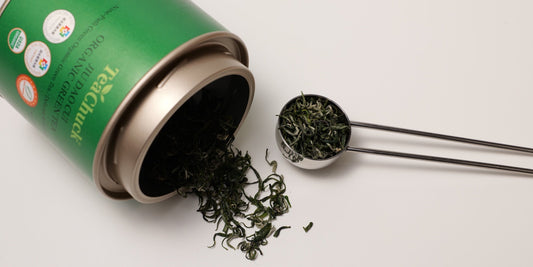
Loose leaf tea is more important than many labels suggest. Tea bags often use small, broken leaves that brew too fast and taste weak. Organic loose leaf green tea, on the other hand, uses larger leaves. These leaves hold more aroma, making the cup fuller and less harsh.
L-theanine and antioxidants also play a big role. A well-made leaf can support mental clarity without the jitters. This is why green tea has become a popular choice for busy mornings.
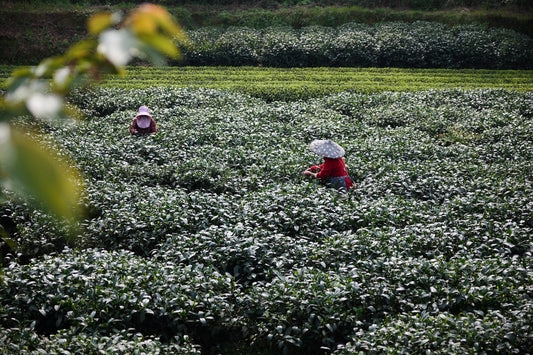
TeaChuck embodies this idea with a clear purpose. Born from Minghui Lü's decade-long search for purity, TeaChuck brings the "Purely Elevated" spirit. It comes from Guizhou's misty 5,000 ft Dayanshan peaks, delivering a naturally sweet, soul-touching cup.
Next, we'll explore why green tea can be bitter, the importance of harvest and leaf age, and how elevation affects sweetness. We'll also discuss processing choices and a simple brew ritual. This will help you enjoy the best organic green tea experience at home.
What makes green tea taste bitter, and why some cups finish smooth
Bitter green tea isn't always the default. It often comes down to the type of leaves, how they're processed, and how you brew them. When done right, the same tea can be sweet, clean, and calm, with a smooth finish.

Natural compounds behind bitterness: catechins and tannins
Catechins and tannins are the main culprits of bitterness. These natural compounds can make green tea taste sharp or drying. This is why strong or hot tea can feel grippy.
Different types of Camellia sinensis and growing conditions can affect these compounds. This is why two tins of organic loose green tea can taste so different, even before brewing.
Leaf age matters: young leaves vs. mature leaves and how harshness shows up
Young buds and early leaves are known for their aroma. But they can also have high levels of catechins and tannins. If harvested and processed well, they taste bright and smooth; if not, they can become harsh.
As leaves mature with the season, the tea can become blunter and drier. This is why early spring tea is often considered the best.
Processing factors that can intensify astringency: fixation (kill-green), drying, and handling
Fixation, or kill-green, is a critical step. It can be done by pan-firing (common in China) or steaming (common in Japan). The goal is to stop enzymes that can make the tea taste harsh.
Drying and handling also play a big role. Over-drying can make sweetness disappear and bitterness stand out. Rough handling can break leaves and make the tea taste sharp.
Using whole leaves is important. They hold onto more aroma and release flavor slowly. Tea-bag dust, on the other hand, infuses quickly and can taste sharp, even if it's organic.
Brewing variables that commonly cause “accidental bitterness” at home
Many wonder if organic green tea has caffeine, and the answer is yes. If you're looking for a natural energy boost, brewing too hot or too long can make the tea bitter.
- Water: Use fresh, filtered water to avoid flat or metallic notes.
- Temperature: Aim near 175°F / 80°C; boiling water can scorch the leaves.
- Time: Steep 2–3 minutes; longer steeps intensify drying sensations.
- Amount: Start around 1 teaspoon per cup; go stronger with more leaf, not more time.
Adjust these basics, and organic loose green tea will taste fuller and smoother. It will have less bitterness and more aroma in every sip.
Best organic green tea, 5,000ft high-altitude tea, Natural L-theanine boost
Green tea grown high up tastes calmer and cleaner. It grows slowly at high altitudes, keeping the leaf balanced. For those in the U.S. looking for organic green tea, elevation is a good starting point.

High-altitude sweetness: cool nights, harsh conditions, and sugars concentrating in the leaves
At 1,500 meters, days turn cold quickly. This stress makes the plant store energy differently. Sugars concentrate in the leaves, making the tea sweeter and smoother.
Many brands share this idea. Nepal Hills Tea, for example, calls its high-elevation green tea naturally smooth. It has less bitterness, thanks to cool mountain air and natural shade.
Perpetual mist and shade-like growing conditions that help preserve L-theanine
Mountain gardens often sit under mist for long periods. This mist acts like soft shade, slowing growth and reducing harsh flavors. Many believe it also boosts natural L-theanine.
Why less sunlight can mean less bite: L-theanine retention vs. catechin development
With less sun, leaves keep more L-theanine, which adds sweetness and depth. Strong sun increases catechins, causing bitterness. High-mountain tea balances light and shadow, making the cup smooth and steady.
Fewer insects at elevation and why high-mountain teas are often produced with minimal pesticides
Higher altitudes have fewer insects, reducing pest pressure. This supports simpler farming and cleaner handling. For U.S. buyers, usda organic certification is a trusted standard.
- Slower leaf growth can support sweetness and aroma.
- Cool, misty air can help keep the cup soft and less edgy.
- Lower pest load can align with minimal-spray farming goals.
How organic loose leaf green tea stays “zero bitterness” through expert processing
Zero bitterness tea isn't a trick. It's about careful control from start to finish. If heat is off, uneven, or too strong, tea can taste bitter, even with careful brewing.
That's why good organic loose leaf green tea tastes smooth and clear. It's handled to keep its aroma and color bright. This also helps it have a clean, smooth finish.
Fixation (kill-green) explained: pan-firing vs. steaming and why temperature control matters
The key step is fixation kill-green, when heat stops the leaf from changing too much. If the heat is too low, the leaf keeps changing; if it’s too hot, the tea can taste rough.
In pan-firing vs steaming green tea, both methods can be great. Pan-firing adds a soft toast note, while steaming keeps it greener. Both need steady temperature and short timing to keep it sweet.
Enzymes and flavor: stopping polyphenol oxidase and peroxidase activity to prevent harshness
Two enzymes, polyphenol oxidase and peroxidase, are key here. If they're active, they can make the tea taste dry or sharp. A well-timed kill-green step stops them before they cause harshness.
This timing also protects delicate compounds that make the tea taste fresh and sweet. Even heating keeps the tea tasting clean, not grassy or coarse.
Drying and shaping for a non-astringent finish: avoiding over-drying that strips delicate flavor
Drying and shaping fix the tea's final taste, but over-drying can make it taste bitter. Leaves that crumble easily or feel too light can mean the tea is stressed or old.
Careful drying keeps the tea smooth. It also helps keep the flavors that make green tea feel full and rich.
Whole leaf purity vs. tea-bag dust: why larger leaves hold more essential oils and taste fuller
Whole leaf purity is more than looks. Larger leaves keep more essential oils, which add aroma and make the tea taste alive. Tea-bag dust steeps fast but can taste harsh because it releases strong compounds all at once.
- Look for intact, springy leaves instead of broken bits.
- Notice if the brand talks about fixation kill-green carefully, not just as a buzzword.
- Follow brewing tips that avoid scorching and long steeps, which can overpower even organic loose leaf green tea.
TeaChuck’s Purely Elevated origin story: Dayanshan Guizhou at 5,000ft (1,500 meters)
TeaChuck started with a simple dream: to make green tea that's clean and smooth. This dream grew into a lifestyle focused on calm and clarity.
At its heart is Dayanshan Guizhou, where the high altitude shapes the tea and the ritual. This 5000ft high-altitude tea origin brings a slower pace from field to kettle.
Born from a decade of seeking purity
Minghui Lü spent ten years searching for the perfect taste. He looks for teas that are steady and soft, without a harsh bite.
This approach supports a Purely Elevated lifestyle. It's about fewer distractions, more focus, and a tea that fits daily life. TeaChuck sees sweetness as a sign of careful choices, not added flavors.
Cloud-kissed growing conditions, away from the clamor
Dayanshan Guizhou is known for its cloud cover and cool air. This helps the tea plants grow steadily. The gardens are also industrial noise-free, creating a quiet and protected environment.
This quiet setting means the tea is handled with care. Less rush can mean fewer rough edges in the final infusion.
Red earth and slower leaves
In Dayanshan Guizhou, the mineral-rich red soil is part of the terroir story. TeaChuck stands behind this terroir. The plants grow slowly, building a deeper, rounder taste.
For many, 5000ft high-altitude tea offers a gentler finish. It's one reason TeaChuck focuses on whole leaf character instead of quick-brew shortcuts.
Whole-leaf sourcing and craft-forward presentation
Minghui Lü expert selection starts with intact leaves chosen for aroma and balance. Whole leaves protect natural oils, making the cup fuller and less thin.
- TeaChuck selects lots that match the Purely Elevated lifestyle: clean sweetness, light lift, and a calm aftertaste.
- guizhou batik packaging brings tactile craft to the shelf, while guizhou batik heritage ties the tea back to place.
The result is an origin-driven tea experience rooted in Dayanshan Guizhou. TeaChuck uses focus—industrial noise-free gardens, mineral-rich red soil, and slow-growth leaves—to frame a naturally sweet cup.
Brewing ritual for sweeter, toasted-almond aromatics and elevated calm (without caffeine jitters)
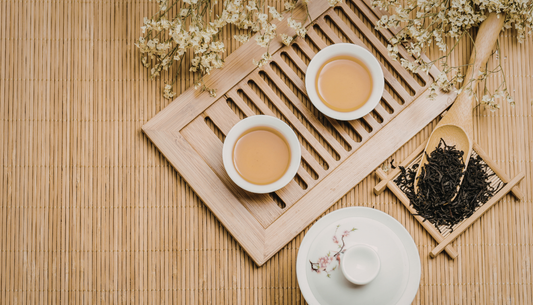
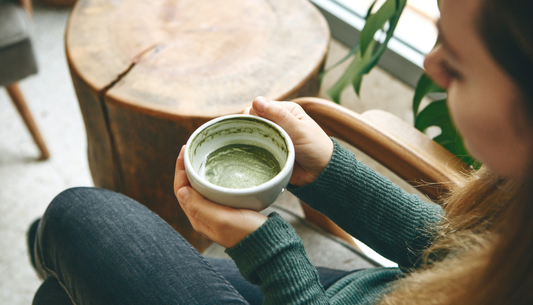
Keeping your organic loose leaf green tea sweet is all about the brewing ritual. Use fresh, filtered water to avoid flavor-dulling minerals and chlorine. Heat it to about 175°F / 80°C, just shy of boiling, for a smoother cup.
This gentle start helps preserve the tea's toasted almond aroma. It prevents the harsh bite that boiling water can bring.
For the best flavor, use about 1 teaspoon of leaves per cup. Steep for 2–3 minutes. If you want more strength, add more leaves instead of steeping longer. This way, you avoid bitterness.
Loose leaves have room to unfurl, releasing oils and a toasted almond resonance. This makes the tea feel fuller than many tea-bag blends. Stick to the same steps every day for a consistent, sustainable tea habit.
Many wonder if organic green tea has caffeine. It does, but the mix of caffeine and L-theanine is calming. It brings mental clarity and a natural energy boost without jitters. This balance is part chemistry and part care in the brewing process.
The right temperature and time make all the difference. TeaChuck sees this as a lifestyle experiment with Purely Elevated tea. It leads to a sweet, non-astringent brew with a warm toasted almond aroma. It's a simple way to enjoy a sustainable tea habit.
The TeaChuck Collection: From Our Peaks to Your Mug
To experience the true essence of Dayanshan, we have curated four distinct organic green teas, each representing a unique facet of the 1,500m mountain spirit:
-
Jiu Dao Cui Organic Green Tea (The Triple-Crown Legend)
-
The Vibe: Nine artisan steps designed to capture the mountain’s soul.
-
Awards: Triple Gold Winner (Asia-Pacific Tea Awards & Hua Ming Cup).
-
Palate: Defined by a distinct toasted almond aroma. Exceptionally silky and clean, offering a profound, sweet resonance with a crisp finish.
-
Best For: Deep meditation and achieving mental clarity.
-
-
Cuiya Organic Green Tea (The Imperial Sprout)
-
The Vibe: Bud-only perfection from our highest 5,000ft peaks.
-
Awards: Gold Medal Winner (10th Asia-Pacific Tea Expo).
-
Palate: High-altitude elegance. A remarkably pure and transparent flavor profile with zero bitterness—just liquid serenity.
-
Best For: Creative flow and your daily antioxidant shield.
-
-
Cloud-Kissed Reserve Organic Green (The Professional’s Ritual)
-
The Vibe: Wrapped in heritage Batik floral elegance for the modern workspace.
-
Awards: Gold Medalist (2021 Hua Ming Cup).
-
Palate: A refined almond aroma leads to a strong, energizing sweetness and a crisp, structural briskness.
-
Best For: "Inbox Zero" sessions and sustaining long-term focus.
-
-
Guizhou Mist Organic Green (The Wild Awakening)
-
The Vibe: A bold tribute to the primitive vitality of the misty peaks.
-
Palate: Robust and structure-driven. Features a refreshing mineral-forward briskness followed by a unique, vibrating cooling sensation on the tongue.
-
Best For: A post-meal cleanse or a total sensory restart.
-
FAQ
Why does green tea taste bitter or astringent in the U.S.?
Bitterness and astringency come from catechins and tannins. Some tea varieties naturally have more of these. Mishandling, over-drying, or brewing too hot and long can make it harsher.
What does “zero bitterness tea” really mean?
It means the tea is made with care. The goal is a smooth finish. This is achieved through precise processing, careful drying, and gentle brewing.
Do younger tea leaves taste sweeter or more bitter?
Young leaves can be more intense. They have higher levels of catechins and tannins. Early spring harvests are prized for their flavor, but need expert processing.
What is “kill-green,” and why does it affect bitterness?
Kill-green stops oxidation by deactivating enzymes. It's done by pan-firing or steaming. If done wrong, bitterness and astringency can increase.
Which enzymes cause green tea to turn harsh if processing slips?
Polyphenol oxidase and peroxidase are the culprits. If not stopped at the right time, they can make the tea taste bitter and degraded.
Can drying and handling really make green tea taste more bitter?
Yes. Over-drying or rough handling can strip away delicate flavors. Quality organic loose leaf tea should feel smooth and not crumble easily.
Why does loose leaf matter compared with tea bags?
Tea bags often contain dust, losing essential oils. Whole-leaf tea allows for better flavor and aroma, making it taste smoother.
What water temperature prevents “accidental bitterness” at home?
Use water around 175°F / 80°C. Boiling water can scorch the tea, making it bitter. Gentle heat preserves sweetness.
How long should I steep organic loose green tea for the best taste?
Steep for 2–3 minutes. Over-steeping can make the tea harsh, even with high-quality leaves.
How much leaf should I use per cup?
Start with 1 teaspoon per cup. For a stronger taste, add more leaf, not steeping time. Longer steeping can degrade flavor.
Does organic green tea have caffeine?
Yes. Green tea contains caffeine. It also has L-theanine and antioxidants, which can make it feel steadier.
What is the “natural L-theanine boost,” and why does it matter for taste?
L-theanine adds sweetness and softness to the tea. Low sunlight preserves theanine, while direct sunlight increases bitterness.
Why does high altitude make green tea taste sweeter?
High altitude means warm days and cold nights. This stress makes tea bushes store more nutrients, making the tea sweeter.
What does “perpetual mist” have to do with smoother green tea?
Mist and fog act like shade. In misty areas, tea tastes softer and calmer, thanks to preserved L-theanine.
Are high-mountain teas more likely to be produced with fewer pesticides?
Often, yes. Fewer insects at high elevations mean less pest pressure. USDA organic certification is key for U.S. buyers.
Why is USDA organic certification important for U.S. tea drinkers?
It's a trusted standard for organic sourcing. High-altitude tea may be grown sustainably, but certification ensures quality.
What’s a real-world example of elevation linked to smoother, less bitter tea?
Nepal Hills Tea's “High Zing 5500 Loose Leaf Organic Green Tea” is a good example. It's grown at 5,500 feet, with cool air and rich soil.
Where does TeaChuck green tea come from?
TeaChuck comes from Dayanshan, Guizhou, at about 5,000 ft. It's grown in a quiet, misty environment.
What is TeaChuck’s “Purely Elevated” story?
TeaChuck was created by Minghui Lü. It aims for a naturally sweet, soulful cup, avoiding bitterness found in mass-market teas.
How does Dayanshan, Guizhou terroir shape flavor?
The high altitude, slow growth, and mineral-rich soil create depth and sweetness. This results in a smooth, clean cup.
What does “Minghui Lü expert selection” mean in practical terms?
It means careful selection and whole-leaf sourcing. This preserves essential oils, leading to a fuller, smoother tea.
Why do some smooth green teas smell like toasted almond?
Good processing and drying keep aromatic compounds. This results in a warm, nutty aroma, often described as toasted almond.
How do I brew for mental clarity and natural energy without caffeine jitters?
Use fresh, filtered water, brew at 175°F / 80°C, steep 2–3 minutes, and start with 1 teaspoon per cup. This balances caffeine with L-theanine for calm focus.
What is the “brewing ritual” that keeps green tea sweet and smooth?
It involves filtered water, lower temperature, short steep, and enough leaf. This ensures a smooth, sweet cup.
What’s special about TeaChuck’s Guizhou batik packaging?
It highlights Guizhou batik heritage. The packaging shows cultural identity and promises a clean, high-altitude taste.
Which TeaChuck styles are known for awards or “imperial sprout” picking?
TeaChuck's lineup includes premium picks like cuiya imperial sprout. These teas are known for their smooth, organic character.
Is organic loose green tea a good daily habit for focus?
Yes, when brewed gently. It offers a clean, steady cup, perfect for focus and calm attention.
Previous
The High-Altitude Secret of Dayan Mountain: Why 1,500m Defines TeaChuck’s Purity
Next
What are the skin benefits of drinking best organic black tea every day?